
-
Women's White Down Parka with Hood
Regular price $349.00 USDRegular priceUnit price per -
Women's Belted Waterproof Parka with Faux Fur Hood
Regular price $249.00 USDRegular priceUnit price per -
Women's Waterproof Down Parka with Faux Fur Trim
Regular price $249.00 USDRegular priceUnit price per -
Women's Lightweight Waterproof Parka with Faux Fur Hood
Regular price $229.00 USDRegular priceUnit price per -
Women's Packable Down Parka with Removable Hood
Regular price $249.00 USDRegular priceUnit price per -
Women's Fur Free Down Parka Coat with Two Hoods
Regular price $229.00 USDRegular priceUnit price per -
Men's Brown Waterproof Long Parka with Faux Fur Hood
Regular price $249.00 USDRegular priceUnit price per -
Men's Down Parka with Detachable Hood
Regular price $229.00 USDRegular priceUnit price per -
Men's Long Down Parka with Real Fur Hood
Regular price $329.00 USDRegular priceUnit price per -
Men's Black Packable Down Parka
Regular price $199.00 USDRegular priceUnit price per -
Men's Extreme Cold Weather Goose Down Parka
Regular price $229.00 USDRegular priceUnit price per -
Men's Short Black Down Parka with Leather Trim
Regular price $229.00 USDRegular priceUnit price per



What Is a Parka Jacket?
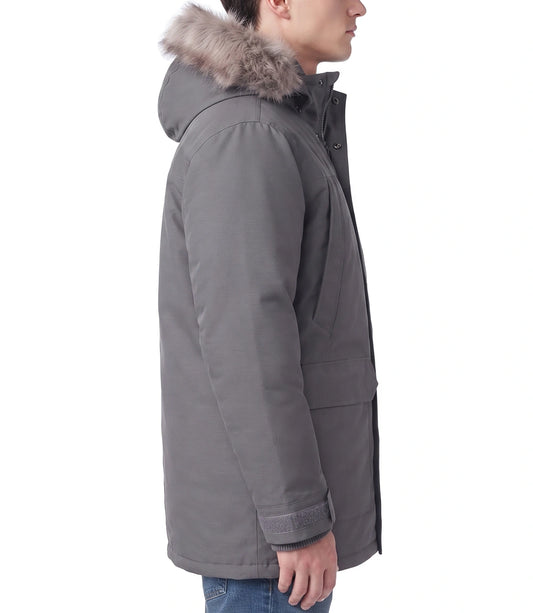
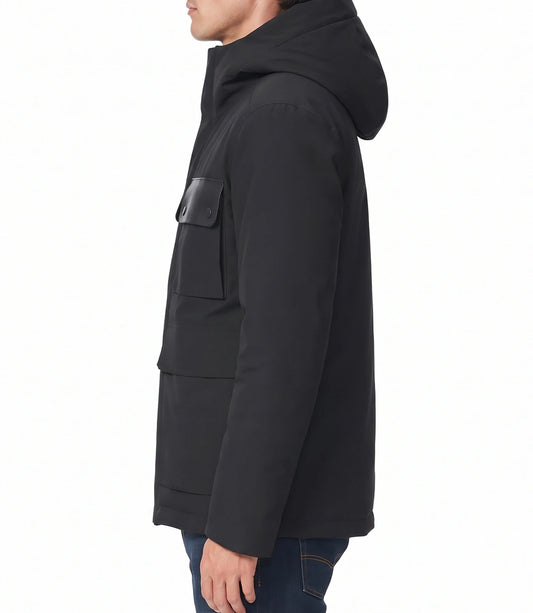
A parka is an insulated, hooded coat that falls at least to the hips and usually to mid thigh. Three things set it apart from an ordinary winter jacket: the length, the hood and a shell made to block wind and wet weather. Many parkas add a fur or faux fur ruff around the hood opening.
A puffer jacket is defined by its quilted, stitched through insulation, and it is often shorter. A long, hooded puffer can be a parka too, which is why the two names overlap.
Where the Parka Came From
The parka comes from Arctic peoples, including the Inuit, who sewed hooded coats from caribou and seal skin. The word comes from the Nenets language of northern Russia, and in the Aleutian Islands it simply meant animal skin.
The modern parka took shape in the military. In the early 1950s the US Air Force developed the N3B snorkel parka for flight crews in extreme cold, designed for temperatures as low as 60 degrees below zero Fahrenheit. Its hood zips into a narrow tunnel around the face, which gave it the snorkel name.
The US Army's M51 fishtail parka served in the Korean War and is still linked with Britain's 1960s Mod scene. If you like military heritage, the N3B's cold weather cousin from the bomber era is our B3 bomber jacket collection.
Why Parkas Have Fur Hoods
The fur ruff around a parka hood is not decoration. It slows the wind before it reaches your face and holds a pocket of calmer, warmer air in front of your skin.
A 2004 wind tunnel study of traditional Inuit hoods, published in the journal Climate Research, found that a wide sunburst style fur ruff cut heat loss from the face sixfold in a 19 mph wind, compared with a bare head. The authors note that wolverine fur, which sheds ice and frost easily, is the best natural fur for a ruff.
That is why a full, deep ruff is worth having if you face open wind. Faux fur works on the same principle to a lesser degree, costs less and washes more easily, which makes it a practical choice for city winters.
Down or Synthetic Insulation?
Choose down for cold, dry winters and synthetic insulation for wet ones.
| Feature | Down | Synthetic |
|---|---|---|
| Warmth for its weight | Highest | Good |
| When it gets wet | Clumps and loses warmth | Keeps most of its warmth |
| Bulk | Packs small | Bulkier for the same warmth |
| Lifespan | Many years with care | Shorter |
| Best for | Cold, dry winters | Rain, sleet and slush |
Fill power, the number such as 550, 650 or 800 on a down parka, measures how much space one ounce of down fills. Higher numbers give warmth with less weight. Warmth also depends on how much down is inside, so a generously filled 600 fill parka can be warmer than a thinly filled 800 fill one.
Which Parka Suits Your Winter?
| Where you live | What winter brings | What to look for |
|---|---|---|
| Pacific Northwest (Seattle, Portland) | Long rainy spells near freezing | Waterproof shell, synthetic or water resistant down, hip to mid thigh length |
| Northeast (New York, Boston, Philadelphia) | Wind, snow and slush | Waterproof or water resistant down parka, mid thigh length, two way zipper |
| Upper Midwest (Chicago, Minneapolis, Detroit) | Hard wind and cold snaps below 0°F | Long down parka, generous fill, deep fur ruff, storm flap |
| Mountain West (Denver, Salt Lake City) | Dry cold, strong sun, sudden snowstorms | Down parka with a well fitted hood, mid thigh length |
| South and Mid Atlantic (Atlanta, Nashville, Washington DC) | Mild winters with short cold snaps | Lighter parka, hip length, water resistant shell |
How Should a Parka Fit?
Buy a parka to fit over the thickest layer you will really wear under it, usually a sweater or fleece. Check the shoulders first: if the seam sits at the edge of your shoulder with that layer on, the rest usually works.
- Sleeves: they should reach the base of your thumb with your arms relaxed. A little long beats short, because sleeves ride up when you reach.
- Length: hip length is easiest for driving, mid thigh is the everyday sweet spot, and knee length is warmest for standing outside.
- Zipper: on longer parkas, a two way zipper lets you sit down and climb stairs without strain.
Compare your measurements with our size chart. Size up only if you plan to wear a heavy layer underneath.
How to Care for a Parka
Wash it rarely, follow the care label, and dry it completely.
- Remove the ruff first: take off a removable fur or faux fur trim before washing. Fur and faux fur should never go in the machine.
- Down parkas: use a front loading machine, a down specific wash and a gentle cycle. Tumble dry on low with a few clean dryer balls until no clumps remain.
- Synthetic parkas: wash on gentle with a mild detergent, then air dry or tumble dry on low.
- Water repellency: when water stops beading on the shell, refresh it with a wash in or spray on repellent.
- Storage: hang it fully dry with room around it. Never store a parka compressed or damp.
Why Shop Parkas at Pelle Store
- Free shipping: parkas are packed within 3 to 5 business days and usually reach US addresses 3 to 5 business days after that. Read the shipping policy.
- 30 day returns: try it over your winter layers at home and send it back within 30 days if it is not right. See our return and refund policy.
- Specs on every listing: insulation type, fill power where it applies, shell fabric, ruff type and length.
- Help choosing: tell our team where you live and how you will wear it, and we will suggest a style.
For more on outerwear that works as hard as it looks, read functional yet stylish premium jackets. Prefer leather? Browse our men's collection and women's collection.